
Gas Fireplace Won't Turn On in Charlotte, NC
No click, no flame, nothing at all when you flip the switch — usually a dead battery, a tripped safety switch, or a gas supply issue.
Charlotte's average January low sits just above freezing, so gas fireplaces here spend long mild stretches unused and then get lit all at once when a cold snap arrives.
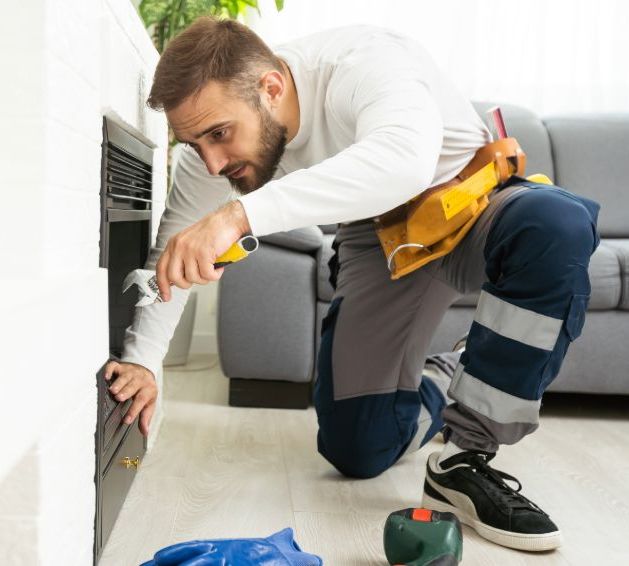
Charlotte's median build year in the dataset is 1995, which tells you most homes here are relatively young by East Coast standards, yet the city also has genuine older pockets. Dilworth grew as a streetcar suburb from the 1890s, Elizabeth followed a streetcar line that opened in 1902, and Myers Park began in 1911 with curving, tree-lined streets. In these older houses we regularly see brick fireplaces converted to gas logs or inserts, with liners, dampers, and gas connections that were done decades apart.
Around Plaza Midwood, Elizabeth, and Uptown you will also find townhomes and condos with direct-vent units that were built into walls and rarely opened up. Whatever the house, the call we hear most is the same: a fireplace that worked fine last year and refuses to light this year. We service pilots, igniters, thermocouples, blowers, remotes, and gas-smell complaints across Dilworth, Myers Park, and the rest of the city.
Any of these six warning signs mean it's time to call a technician rather than keep running the unit:
No click, no flame, nothing at all when you flip the switch — usually a dead battery, a tripped safety switch, or a gas supply issue.
The pilot lights but goes out within seconds — the classic sign of a weakening thermocouple or thermopile.
Flame burns low, flickers unevenly, or only lights on one side — often a clogged burner port or a gas pressure issue.
The igniter sparks but no flame follows — points to the pilot assembly, gas supply, or the igniter itself.
A white haze or dark soot building up on the glass, usually mineral deposits or incomplete combustion, not simple dirt.
Any gas smell needs immediate attention (see our safety guidance below); a unit that runs fine sometimes and fails other times often points to a loose connection or a failing sensor.
Many gas fireplaces use a battery-powered ignition or remote system even though they run on gas — dead batteries in the wall switch or remote are one of the most common reasons a unit "won't turn on" at all.
If the unit has no response at all, check that its dedicated switch (if wired) or breaker hasn't tripped — a simple reset resolves this more often than people expect.
If you smell gas or the pilot won't stay lit after two or three honest attempts, stop — don't keep trying to relight it. Repeated attempts on a failing safety sensor or a leak is exactly the situation those safety systems exist to prevent.
Tell us what's happening — won't light, weak flame, or a smell — and we'll give you a same-day or next-day appointment window.
A technician watches the unit actually attempt to ignite and tests the pilot, ignition, and gas supply before recommending anything.
You get a clear price before any work begins — repair, maintenance, or inspection — no surprise add-ons after the fact.
Most repairs and maintenance visits are completed in a single visit, using correctly sourced parts for your specific model.
Every unit is run through several full ignition cycles and checked for flame quality and safe shutoff before we consider the job finished.
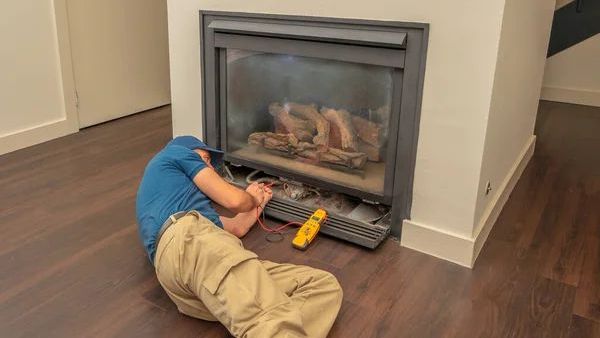
Full diagnosis and repair for a fireplace that won't turn on, won't stay lit, or is running unevenly — most fixed in one visit.
Learn More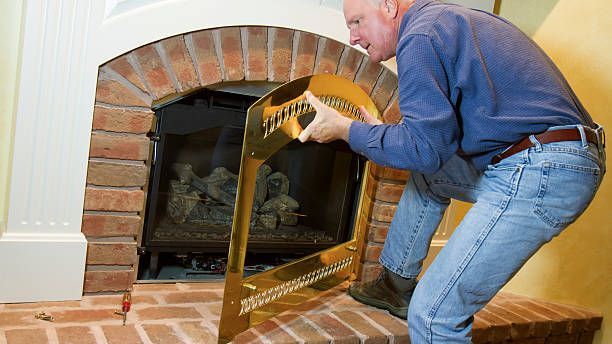
Annual tune-up and safety check that catches small problems — a fouled pilot, a dirty burner, a weak battery — before they turn into a no-heat call.
Learn More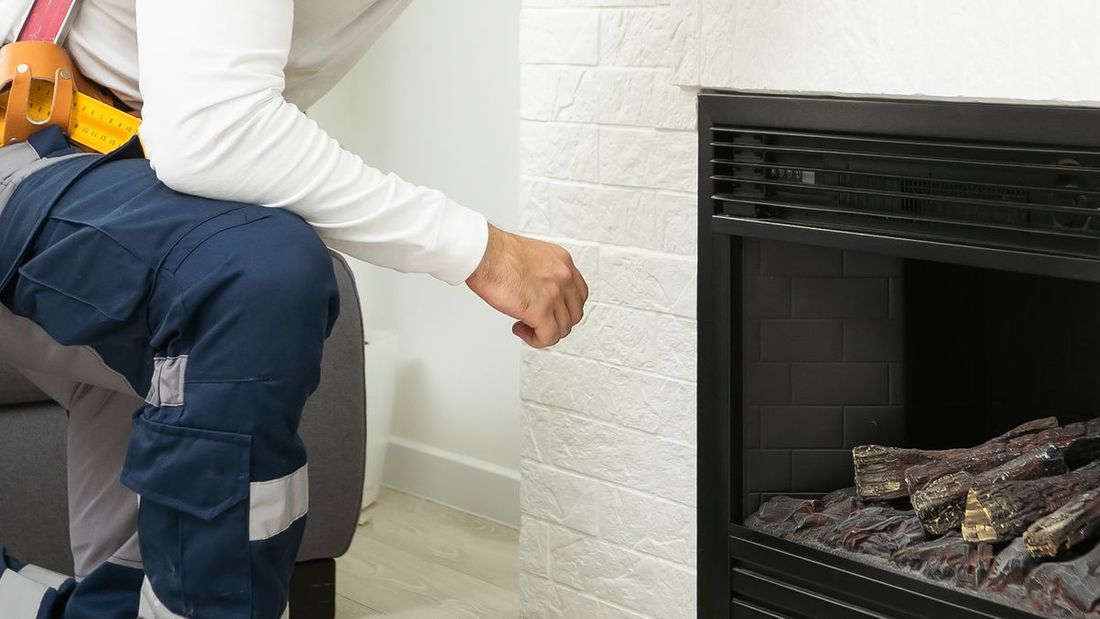
A full safety and function inspection — gas connections, venting, carbon monoxide safety, and flame quality — with a plain-language report on what you actually need.
Learn More
Burner, pilot, and glass cleaning that clears soot buildup and restores a clean, bright flame — done safely without damaging ceramic glass or gaskets.
Learn More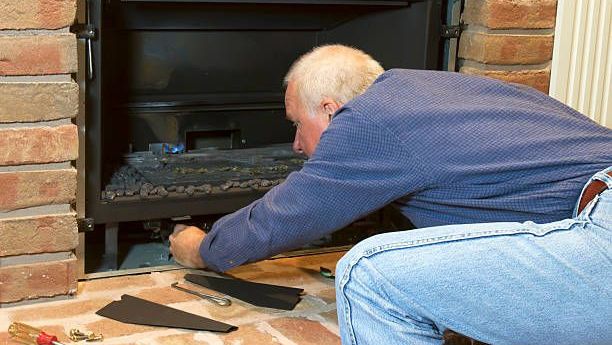
Fixing pilot lights that won't stay lit, ignition failures, and clicking-but-not-lighting units — including thermocouple and thermopile replacement.
Learn More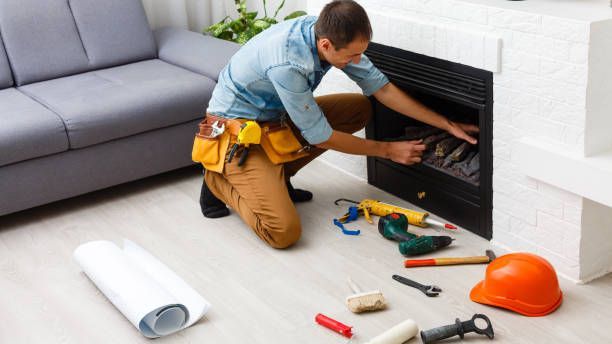
Repair for gas fireplace inserts — the sealed units installed into an existing masonry fireplace — including blower, glass, and gasket issues specific to insert designs.
Learn More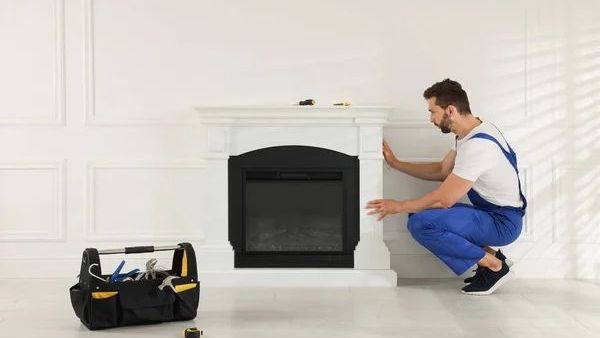
Fixing wall switches, remote controls, and blower fans that stop responding — the controls that let you actually run the fireplace day to day.
Learn More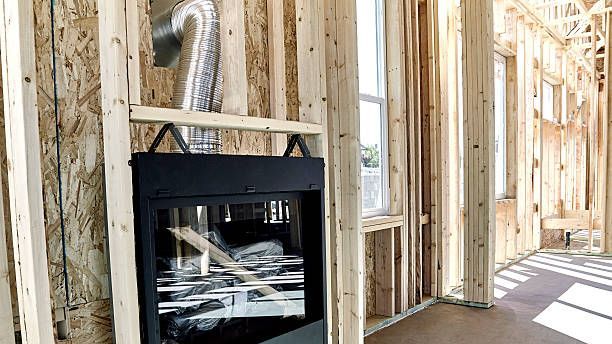
Locating the source of a gas smell or suspected leak at the fireplace, valve, or line connections — a safety-first visit, never a wait-and-see situation.
Learn MoreWith an average January low around 33 degrees, Charlotte rarely has a winter that stays cold for long. Many homeowners light the fireplace only a handful of times a year, usually when a front pushes overnight lows toward freezing. That pattern is hard on gas appliances. A pilot assembly that sat idle through weeks of fifty-degree days can pick up dust, insect nests, or a film of oxidation, so the igniter clicks and nothing lights. Rubber gaskets dry out, blower motors seize from disuse, and a small leak at a fitting goes unnoticed because nobody is standing in front of the unit. We aim to catch those problems in a pre-season check rather than on the coldest night, when everyone else is calling too.
Most fireplace repairs cost far less than people expect — we'll always tell you honestly what a visit actually needs.
| Service | Typical Price | What Affects It |
|---|---|---|
| Diagnostic visit / minor repair (pilot cleaning, switch reset) | $95–$175 | Most single-visit repair calls |
| Thermocouple or thermopile replacement | $150–$275 | Depends on part access and model |
| Annual maintenance / tune-up | $120–$220 | Full burner, pilot, and safety check |
| Gas fireplace inspection | $100–$200 | Full safety and function inspection with written summary |
| Glass and burner cleaning | $100–$180 | Depends on buildup and glass access |
| Blower motor replacement | $175–$350 | Varies by model and access |
Ranges are estimates for typical jobs in Charlotte. Final pricing is confirmed on-site before work begins.
We serve homes throughout Charlotte — including areas near Bank of America Stadium, Spectrum Center, Freedom Park, Romare Bearden Park, Discovery Place Science, and Mint Museum Uptown.
We also serve homeowners near Concord, NC, Gastonia, NC, and Rock Hill, NC.
First cold night of the year and the fireplace clicked forever. Tech found a spider nest around the pilot and a weak igniter. Cleaned it, replaced the igniter, and had it lit inside an hour. Now I know to call before winter.
Our brick fireplace has gas logs from the 1990s and the flame had gone yellow and lazy. He cleaned the burner, reset the logs, and checked the gas connection. It looks like a different fireplace, and he never rushed.
Blower rattled and then quit. Motor was seized from sitting idle all fall. He replaced it and tested the switch. The part had to be ordered so a second visit was needed, but he was upfront about that when he quoted.
Charlotte's mild winters mean many fireplaces go weeks or months without running. Dust, insect debris, and oxidation can build up on the pilot assembly and igniter, so a unit that worked last winter may need a cleaning or a new part before it lights.
It is a good idea. A pre-season check of the pilot, igniter, gaskets, and gas connections is quicker and easier than waiting until an overnight freeze, when service calls stack up across the city.
Yes. Older Charlotte neighborhoods often have brick fireplaces converted to gas logs. We check the flue, damper, gas connection, and burner set, and explain anything that should be corrected before regular use.
Yes, including direct-vent units in Uptown and Plaza Midwood buildings. For anything that touches venting or building gas lines, we suggest checking with your HOA or property manager first.
The most common causes are a dead battery in the switch or remote, a tripped breaker, a pilot light that's gone out, or a failed thermocouple/thermopile safety sensor. We test each in order rather than guessing.
Most repair visits run $95–$350 depending on the issue, while an annual tune-up typically runs $120–$220. We provide a firm price before any work begins.
Once a year is standard, ideally before your heaviest-use season. Units used daily through a full winter benefit from a fall check rather than waiting until something goes wrong.
Open 24 Hours a Day, 7 Days a Week
Same-day and after-hours appointments available across Charlotte, 24/7 — call now to get on the schedule.