
Gas Fireplace Won't Turn On in Boulder, CO
No click, no flame, nothing at all when you flip the switch — usually a dead battery, a tripped safety switch, or a gas supply issue.
Boulder rests at about 5,430 feet against the foothills, where winter downslope winds can gust hard enough to disturb pilot flames and vent terminations on top of the thin air that already affects combustion.
Boulder's housing runs from Victorian-era houses on Mapleton Hill and bungalows around University Hill to mid-century ranches in Martin Acres and Table Mesa and newer townhome communities in Gunbarrel. The census puts the median build year at 1977, and fewer than four in ten homes are detached, so a lot of fireplaces sit in townhomes, condos, and older duplexes instead of single-family houses. Older masonry hearths converted to gas need a liner check, while 1970s-era units often have aging valves.
The city also has a strong energy-efficiency culture. Boulder's SmartRegs program requires rental housing to meet a minimum efficiency standard, so many older rentals have been sealed up more tightly than the fireplaces in them were designed for. Tight houses and hillside exposure make venting and combustion air worth checking, and a fireplace here is often as much a backup heat source as a decorative one, which means it needs to light dependably the first cold night.
Any of these six warning signs mean it's time to call a technician rather than keep running the unit:
No click, no flame, nothing at all when you flip the switch — usually a dead battery, a tripped safety switch, or a gas supply issue.
The pilot lights but goes out within seconds — the classic sign of a weakening thermocouple or thermopile.
Flame burns low, flickers unevenly, or only lights on one side — often a clogged burner port or a gas pressure issue.
The igniter sparks but no flame follows — points to the pilot assembly, gas supply, or the igniter itself.
A white haze or dark soot building up on the glass, usually mineral deposits or incomplete combustion, not simple dirt.
Any gas smell needs immediate attention (see our safety guidance below); a unit that runs fine sometimes and fails other times often points to a loose connection or a failing sensor.
Many gas fireplaces use a battery-powered ignition or remote system even though they run on gas — dead batteries in the wall switch or remote are one of the most common reasons a unit "won't turn on" at all.
If the unit has no response at all, check that its dedicated switch (if wired) or breaker hasn't tripped — a simple reset resolves this more often than people expect.
If you smell gas or the pilot won't stay lit after two or three honest attempts, stop — don't keep trying to relight it. Repeated attempts on a failing safety sensor or a leak is exactly the situation those safety systems exist to prevent.
Tell us what's happening — won't light, weak flame, or a smell — and we'll give you a same-day or next-day appointment window.
A technician watches the unit actually attempt to ignite and tests the pilot, ignition, and gas supply before recommending anything.
You get a clear price before any work begins — repair, maintenance, or inspection — no surprise add-ons after the fact.
Most repairs and maintenance visits are completed in a single visit, using correctly sourced parts for your specific model.
Every unit is run through several full ignition cycles and checked for flame quality and safe shutoff before we consider the job finished.
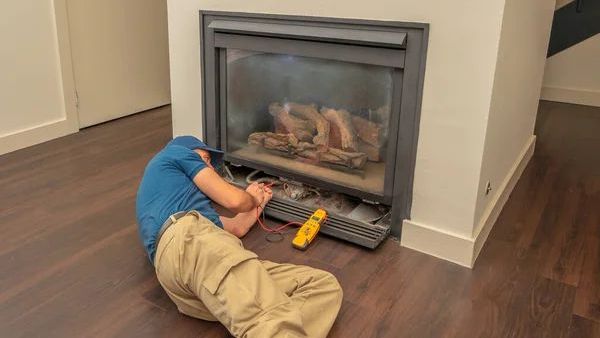
Full diagnosis and repair for a fireplace that won't turn on, won't stay lit, or is running unevenly — most fixed in one visit.
Learn More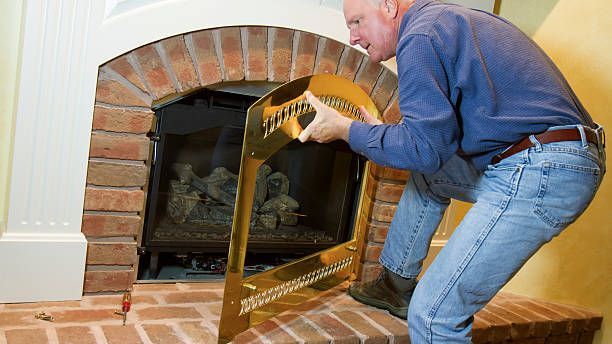
Annual tune-up and safety check that catches small problems — a fouled pilot, a dirty burner, a weak battery — before they turn into a no-heat call.
Learn More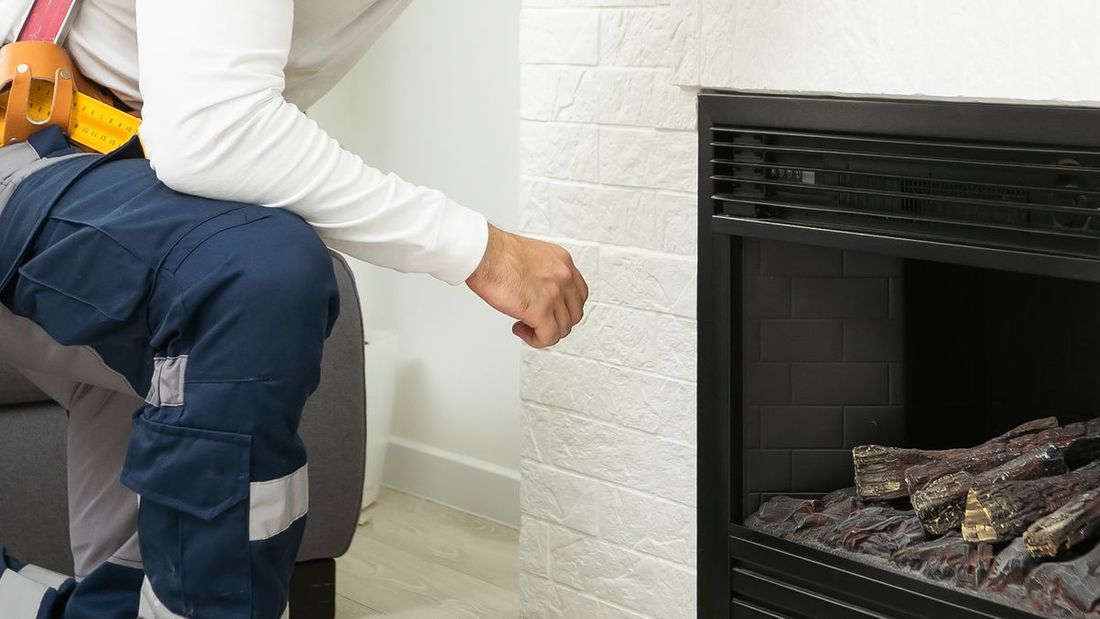
A full safety and function inspection — gas connections, venting, carbon monoxide safety, and flame quality — with a plain-language report on what you actually need.
Learn More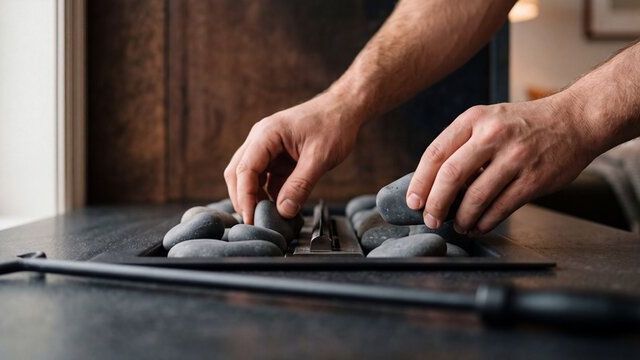
Burner, pilot, and glass cleaning that clears soot buildup and restores a clean, bright flame — done safely without damaging ceramic glass or gaskets.
Learn More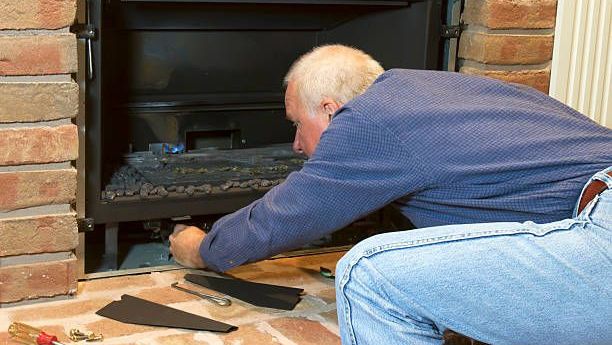
Fixing pilot lights that won't stay lit, ignition failures, and clicking-but-not-lighting units — including thermocouple and thermopile replacement.
Learn More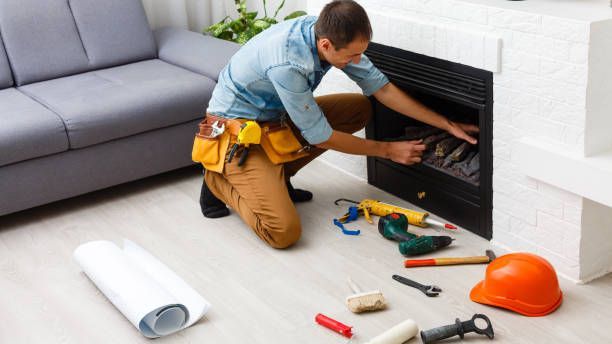
Repair for gas fireplace inserts — the sealed units installed into an existing masonry fireplace — including blower, glass, and gasket issues specific to insert designs.
Learn More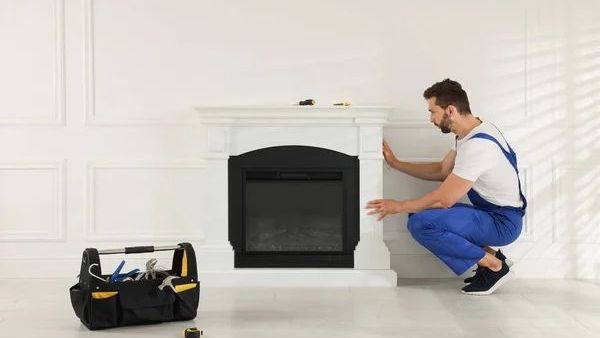
Fixing wall switches, remote controls, and blower fans that stop responding — the controls that let you actually run the fireplace day to day.
Learn More
Locating the source of a gas smell or suspected leak at the fireplace, valve, or line connections — a safety-first visit, never a wait-and-see situation.
Learn MoreBoulder is about 5,430 feet above sea level, so a gas fireplace here breathes air with less oxygen than the sea-level air its factory settings assume. Above roughly 5,000 feet a unit generally needs an altitude-rated orifice or factory derating to burn cleanly; without one you tend to see a weak, yellow flame and soot on the glass. Boulder adds a second stressor: its position at the foot of the Flatirons exposes it to winter downslope winds, which can gust hard enough to push air back down a vent and snuff a pilot. So a pilot that goes out on breezy nights and a flame that looks sooty can both trace back to where the city sits.
Most fireplace repairs cost far less than people expect — we'll always tell you honestly what a visit actually needs.
| Service | Typical Price | What Affects It |
|---|---|---|
| Diagnostic visit / minor repair (pilot cleaning, switch reset) | $95–$175 | Most single-visit repair calls |
| Thermocouple or thermopile replacement | $150–$275 | Depends on part access and model |
| Annual maintenance / tune-up | $120–$220 | Full burner, pilot, and safety check |
| Gas fireplace inspection | $100–$200 | Full safety and function inspection with written summary |
| Glass and burner cleaning | $100–$180 | Depends on buildup and glass access |
| Blower motor replacement | $175–$350 | Varies by model and access |
Ranges are estimates for typical jobs in Boulder. Final pricing is confirmed on-site before work begins.
We serve homes throughout Boulder — including areas near Pearl Street Mall, Chautauqua Park, Dushanbe Teahouse, Boulder Creek Path, Boulder County Courthouse, and University of Colorado Boulder.
We also serve homeowners near Denver, CO, Fort Collins, CO, and Westminster, CO.
Our 1890s house has a gas insert in the old parlor fireplace. The tech found the liner had shifted slightly and the surround was getting hot. He reseated it, sealed the gap, and showed me the temperature he measured.
Townhome fireplace that wouldn't light after the first cold snap. He replaced a tired thermocouple and cleaned the pilot. He also mentioned the wind up here sometimes bothers vent caps, so he checked ours too.
1960s ranch with a fireplace that kept ticking and clicking. He found the igniter electrode was misaligned, adjusted it, and cleaned the burner. Had to come back for one small gasket, but no complaints.
It can. Downslope wind gusts along the foothills can push air back down a vent and snuff a pilot. We check the vent cap, the termination, and the pilot assembly to find out whether the draft or a worn part is responsible.
Yes. Both areas have older houses where masonry fireplaces were converted to gas, so we look at the liner, clearances, and valve age as part of the visit, alongside whatever problem prompted the call.
That depends on your lease, so start with your landlord. We can inspect the unit and give a clear written note on what needs fixing, which makes it easier for the owner to approve repairs.
Often yes. Tight, well-insulated houses can leave direct-vent and vented units short of combustion air or draft, so we check airflow at the burner and the vent, and confirm the carbon monoxide detectors nearby work.
The most common causes are a dead battery in the switch or remote, a tripped breaker, a pilot light that's gone out, or a failed thermocouple/thermopile safety sensor. We test each in order rather than guessing.
Most repair visits run $95–$350 depending on the issue, while an annual tune-up typically runs $120–$220. We provide a firm price before any work begins.
Once a year is standard, ideally before your heaviest-use season. Units used daily through a full winter benefit from a fall check rather than waiting until something goes wrong.
Open 24 Hours a Day, 7 Days a Week
Same-day and after-hours appointments available across Boulder, 24/7 — call now to get on the schedule.